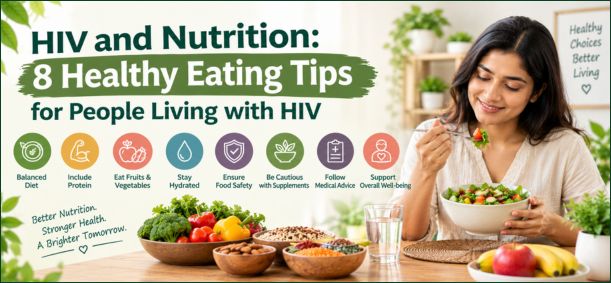
HIV and Nutrition: 8 Healthy Eating Tips for People Living with HIV
Nutrition plays an important role in overall health. For people living with HIV, eating a balanced diet can help support energy levels, maintain muscle mass, promote general well-being, and provide essential nutrients.
However, food alone cannot treat HIV or replace prescribed medicines. Antiretroviral therapy (ART), regular medical check-ups, and professional healthcare guidance remain essential parts of HIV management.
At Bhagwati Ayurved, we believe that understanding nutrition and healthy lifestyle habits can help people make informed decisions about their well-being. In this guide, we explore practical HIV nutrition tips, foods to include in a balanced diet, food safety precautions, and common dietary questions.
There is no single diet that is suitable for every person living with HIV. Nutritional needs can vary depending on age, activity level, medical history, appetite, and other health conditions.
A balanced diet generally includes:
Vegetables and fruits: Provide vitamins, minerals, fibre, and other beneficial nutrients.
Whole grains: Options such as oats, whole-wheat roti, and brown rice provide carbohydrates and fibre.
Protein-rich foods: Dal, beans, lentils, eggs, dairy products, fish, chicken, tofu, or other suitable sources help maintain body tissues and muscle.
Healthy fats: Nuts, seeds, and suitable vegetable oils can contribute to a balanced eating pattern.
Dairy or alternatives: Milk, curd, or suitable fortified alternatives can provide important nutrients.
Try to include a variety of foods throughout the day instead of relying on a single ingredient or supplement.
2Include Protein in Your Daily Meals
Protein helps the body maintain and repair tissues. Getting enough protein can be especially important when someone has a reduced appetite, is recovering from an illness, or is experiencing unintended weight loss.
Depending on your dietary preferences, useful protein sources may include:
Lentils and pulses
Chickpeas and beans
Milk, curd, and paneer
Eggs
Fish or lean meat
Soybeans and tofu
Nuts and seeds
For example, a meal containing dal, roti, vegetables, and curd can provide a combination of nutrients.
Note
Your individual protein requirements may differ. If you have kidney disease or another condition that affects dietary needs, ask your healthcare professional or dietitian before significantly changing your protein intake.
3Eat Fruits and Vegetables Regularly
Fruits and vegetables contribute vitamins, minerals, fibre, and other nutrients that support general health.
Depending on availability and personal preference, consider including:
Bananas and oranges
Apples and papaya
Seasonal vegetables
Leafy greens
Carrots and pumpkin
Other locally available fruits and vegetables
Wash produce thoroughly with safe water before eating or preparing it. Choose properly handled and stored foods, and avoid produce that appears spoiled.
People with weakened immune systems may need additional precautions around raw foods. Ask your healthcare professional about food safety recommendations appropriate to your health.
4Stay Hydrated Throughout the Day
Adequate hydration supports normal body functions and helps replace fluids lost through sweating, fever, vomiting, or diarrhoea.
Practical hydration habits include:
Drinking safe water regularly throughout the day
Carrying drinking water when travelling
Using safe water for preparing food
Following medical advice if you have been instructed to restrict fluids
Safety Note
If you experience persistent diarrhoea, vomiting, fever, or signs of dehydration, seek medical advice. These symptoms may require assessment rather than dietary changes alone.
5Take Food Safety Seriously
Food safety is an important consideration for everyone, particularly for people who may have a weakened immune system.
To reduce the risk of foodborne illness:
Wash your hands before preparing or eating food.
Wash fruits and vegetables thoroughly.
Cook meat, fish, and eggs properly.
Avoid unpasteurised milk and products made from it.
Avoid raw or undercooked animal products.
Refrigerate perishable foods promptly.
Keep raw foods separate from cooked and ready-to-eat foods.
Use clean utensils and safe drinking water.
If you are unsure whether a food has been stored or prepared safely, choosing a safer alternative is sensible.
6Be Careful With Herbal Supplements and Special Diets
Some people explore Ayurveda, herbal products, or dietary supplements as part of their wellness routine. However, natural does not automatically mean safe.
Certain herbs, supplements, and concentrated extracts may interact with antiretroviral medicines or other prescription drugs. Some products may also contain ingredients that are not clearly listed on their packaging.
Before using an herbal supplement, immunity product, or specialised diet:
Check the full ingredient list.
Discuss the product with your HIV healthcare professional or pharmacist.
Ask about possible medicine interactions.
Avoid products promising to cure HIV or eliminate the virus.
Do not stop or change prescribed treatment without medical advice.
Complementary wellness practices should be considered only when appropriate and alongside, never instead of, prescribed HIV treatment.
7Manage Appetite Changes and Unintended Weight Loss
Some people experience appetite changes or difficulty maintaining their weight. These problems may have several causes, including medication side effects, infections, digestive symptoms, stress, or other health conditions.
If eating a large meal feels difficult, you may find smaller, more frequent meals easier to manage.
Other helpful steps include:
Choosing foods that are nutritious and easy to tolerate
Keeping regular meal times where possible
Discussing persistent nausea or digestive symptoms with your clinician
Asking a dietitian for an individualised nutrition plan if needed
Safety Note
Do not assume that unintended weight loss is simply a nutritional issue. Report unexplained weight changes, ongoing appetite loss, or persistent digestive symptoms to your healthcare professional.
8Combine Healthy Eating With Regular HIV Care
Nutrition is one part of long-term well-being, but it cannot replace medical treatment.
Antiretroviral therapy is the standard treatment for HIV and helps control viral replication. Taking prescribed medicines consistently and attending recommended follow-up appointments are essential.
A practical daily routine can include:
Eating balanced meals
Staying physically active according to your abilities
The following is a general example, not a personalised medical diet plan.
Meal
Example
Breakfast
Oats or vegetable poha with milk, curd, or another suitable protein source
Mid-morning
A washed fruit
Lunch
Roti or rice, dal, cooked vegetables, and curd if suitable
Evening snack
Roasted chana or a small portion of nuts
Dinner
Roti or rice with cooked vegetables and a suitable protein source
Throughout the day
Safe drinking water according to your needs
Adjust portion sizes and food choices according to your appetite, dietary preferences, allergies, cultural practices, and healthcare advice. People with diabetes, kidney disease, or other conditions may need a more individualised plan.
How Bhagwati Ayurved Encourages Healthy Wellness Habits
Bhagwati Ayurved shares information about Ayurveda, lifestyle practices, and general wellness. When considering nutrition or complementary products, it is important to rely on accurate information and understand that individual health needs can differ.
A balanced diet may contribute to overall well-being, but no specific food, herbal preparation, or dietary routine has been established as a cure for HIV.
People living with HIV should continue their prescribed antiretroviral treatment and discuss significant dietary changes or supplements with their healthcare professional.
Conclusion
Healthy nutrition can be an important part of overall wellness for people living with HIV. Eating a balanced variety of foods, including suitable protein sources, staying hydrated, following food safety practices, and addressing appetite changes can all support general health.
At the same time, nutrition should complement—not replace—appropriate HIV Treatment and regular medical care. If you are considering supplements or Ayurvedic products, seek professional advice about their suitability and possible interactions.
At Bhagwati Ayurved, we encourage readers to make informed wellness choices based on reliable information, realistic expectations, and qualified healthcare guidance.
Medical Disclaimer: This content is provided for general educational purposes only and is not a substitute for professional medical or dietary advice.
Frequently Asked Questions
There is no single best diet for everyone. A varied eating pattern with vegetables, fruits, whole grains, protein sources, and healthy fats can support general health. Individual needs should be assessed by a qualified healthcare professional.
Dal, beans, chickpeas, eggs, dairy products, tofu, fish, lean meat, nuts, and seeds are examples of protein sources. Choose foods that suit your dietary preferences and medical needs.
No. Food and nutrition cannot cure HIV. Antiretroviral therapy is the standard treatment and should be taken as prescribed by a qualified healthcare professional.
Not always. Some herbal products can interact with antiretroviral medicines. Ask your healthcare professional or pharmacist to review a supplement's ingredients before using it.
Foodborne infections can be more serious for some people with weakened immune systems. Safe food handling, thorough cooking, clean water, and proper storage can help reduce risk.
Vitamin supplements are not necessary for everyone. A healthcare professional can assess your diet, symptoms, and test results to determine whether a supplement is appropriate. Avoid taking high doses without professional advice.
Ayurvedic wellness practices do not replace personalised nutritional advice or prescribed HIV treatment. Discuss herbal products and significant dietary changes with your healthcare team before starting them.